
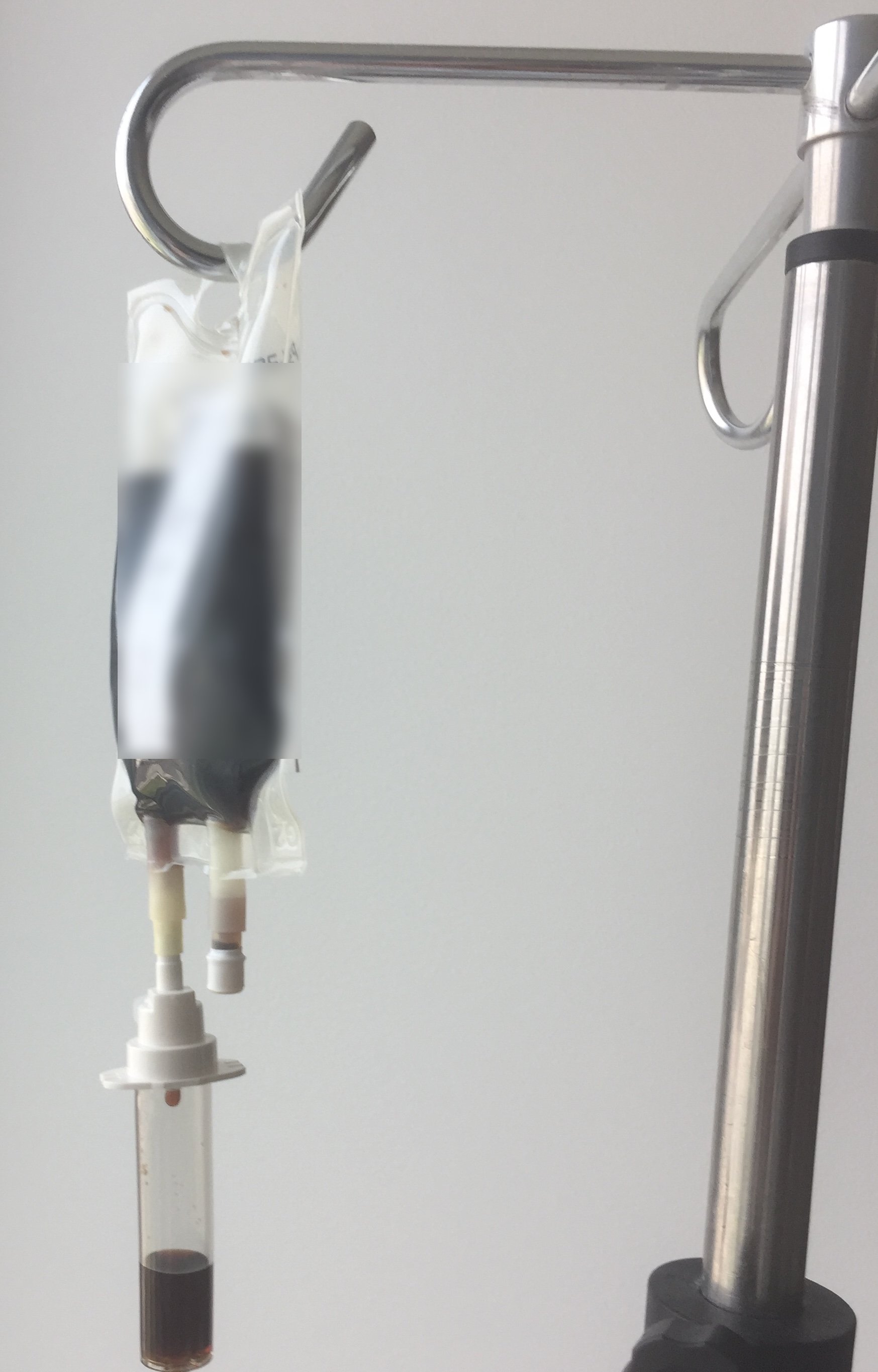
What is the IV iron supply picture right now?
As of Oct. 30, 2026, openFDA's drug shortage data shows one IV iron entry: Viatris iron sucrose 50 mg/2.5 mL, posted as To Be Discontinued. The same data returned no records for ferumoxytol, ferric carboxymaltose, iron dextran, sodium ferric gluconate or ferric derisomaltose. FDA's absence of a listing does not prove normal supply. It means FDA has no record, not that any wholesaler has stock.
Four developments matter most for purchasing teams:
- Injectafer boxed warning. FDA's Sept. 1, 2026 Drug Safety Communication says it added a boxed warning for symptomatic hypophosphatemia. The communication does not mention supply or other IV iron products, and no source reviewed connects the warning to supply or demand.
- Generic ferric carboxymaltose listings. Drugs@FDA shows Mylan approvals dated June 25, 2026, and the NDC Directory shows marketing start dates from July 1, 2026. Listing dates are not proof of shipment.
- UnitedHealthcare step change. A policy effective Sept. 1, 2026 for commercial and individual exchange plans moves Feraheme out of its coverage criteria and into its step language for Injectafer.
- Viatris iron sucrose 2.5 mL. One presentation is ending, and Viatris forecasts continued supply of its other vial sizes.
PRN saw increased requests for ferumoxytol this spring. Requests alone do not show a supply problem.
Is any IV iron product discontinued, or just difficult to source?
The one discontinuation on FDA's list is narrow. FDA's iron sucrose entry, posted May 21, 2026, shows Mylan Institutional, a Viatris company, discontinuing iron sucrose 50 mg/2.5 mL (NDC 67457-0957-99). The NDC Directory shows a marketing end date of Jan. 31, 2027 for that product. This is a discontinuation of one presentation, not a shortage and not an exit from iron sucrose.
The same entry says Viatris forecasts continued supply of its 5 mL and 10 mL NDCs, which are different vial sizes. The NDC Directory shows the 2.5 mL size from Sandoz, American Regent, Fresenius Medical Care and International Medication Systems, with no marketing end date. Listing is not proof of stock, so buyers still need to confirm those NDCs directly.
For the other IV iron categories, the public record does not establish a discontinuation or a shortage.
What is causing these changes?
There is no single cause. These are separate events, and no source reviewed ties them together:
- Boxed warning. FDA says symptomatic hypophosphatemia cases continued despite label changes in February 2020 and May 2023. FDA's S-030 letter describes a safety labeling change following its April 29, 2026 letter under section 505(o)(4). Drugs@FDA dates the approval Aug. 13, 2026. This is a labeling action.
- Generic ferric carboxymaltose. The December 2021 patent settlements, as also reported by Citeline, licensed Mylan and Sandoz to market in the U.S. from July 1, 2026, subject to FDA approval. The NDC start dates fall on or after that date. Treating the settlements as the reason for the timing is a reasonable inference, not a company statement, and the settlement details are confidential. Viatris's Q2 release, filed Aug. 6, 2026, confirms the approval in three strengths and gives no launch date.
- Iron sucrose 2.5 mL. FDA's entry gives the reason as a business decision limited to that presentation. No further reason is public.
- UnitedHealthcare. The policy is a coverage document, not a supply statement.
Is there a ferumoxytol shortage?
The public record does not confirm one. openFDA returned no shortage record for ferumoxytol or Feraheme on Oct. 30, 2026, and openFDA enforcement data returned no recall records for either name. This review found no Azurity or Sandoz supply letter and no trade-press report describing a disruption. No public cause has been stated, and this article does not suggest one.
Feraheme (NDC 59338-0775-01, NDC 59338-0775-10) and Sandoz ferumoxytol (NDC 00781-3154-01, NDC 00781-3154-95) remain listed with no marketing end date. Drugs@FDA rates them AB and shows Azurity as Feraheme's sponsor, while the DailyMed label still reads AMAG Pharmaceuticals. The NDCs did not change. FDA's May 2026 S-026 letter adds skin discoloration or staining language after extravasation to the Feraheme label. It is a labeling change, and the letter does not mention supply.
None of this proves stock is available. Facilities should confirm allocation for each ferumoxytol NDC with each wholesaler.
Which products and presentations are affected?
A row without a discontinuation or shortage record is not a statement that the product is easy to buy.
| Product | NDC | Manufacturer | Status as of Oct. 30, 2026 |
|---|---|---|---|
| Iron sucrose 50 mg/2.5 mL | NDC 67457-0957-99 | Mylan Institutional (Viatris) | To Be Discontinued, FDA entry posted May 21, 2026. NDC end date Jan. 31, 2027. |
| Iron sucrose 5 mL (10-pack; 25-pack) | NDC 67457-0638-10; NDC 67457-0638-25 | Mylan Institutional (Viatris) | Viatris forecasts continued supply, per FDA entry dated May 21, 2026. |
| Iron sucrose 10 mL (5-pack) | NDC 67457-0639-10 | Mylan Institutional (Viatris) | Viatris forecasts continued supply, per FDA entry dated May 21, 2026. |
| Iron sucrose 2.5 mL | NDC 00781-3485-95; NDC 00781-3485-96 | Sandoz | No FDA shortage record. Listed with no marketing end date. Stock unverified. |
| Venofer (iron sucrose) 2.5 mL | NDC 00517-2325-10 | American Regent | No FDA shortage record. Listed with no marketing end date. Stock unverified. |
| Venofer (iron sucrose) 2.5 mL | NDC 49230-0530-10; NDC 49230-0530-25 | Fresenius Medical Care | No FDA shortage record. Listed with no marketing end date. Stock unverified. |
| Iron sucrose 2.5 mL | NDC 76329-9200-01 | International Medication Systems | No FDA shortage record. Listed with no marketing end date. Stock unverified. |
| Injectafer (ferric carboxymaltose) | Product codes 0517-0602, 0517-0620, 0517-0650 | American Regent | No FDA shortage record. Listed with no marketing end date. Boxed warning labeling approved Aug. 13, 2026. Stock unverified. |
| Ferric carboxymaltose 100 mg/2 mL | NDC 72078-0060-99 | Mylan (ANDA 217769) | No FDA shortage record. AP rated. NDC start July 1, 2026. Launch and stock unconfirmed. |
| Ferric carboxymaltose 750 mg/15 mL | NDC 67457-0797-15 | Mylan (ANDA 212572) | No FDA shortage record. AP rated. NDC start July 1, 2026. Launch and stock unconfirmed. |
| Ferric carboxymaltose 1 g/20 mL | NDC 72078-0048-20 | Mylan (ANDA 217076) | No FDA shortage record. AP rated. NDC start Aug. 31, 2026. Launch and stock unconfirmed. |
| Ferric carboxymaltose 750 mg/15 mL, authorized generic | NDC 00781-3542-94 | Sandoz (under NDA 203565); label says manufactured by American Regent | No FDA shortage record. NDC start July 3, 2026. Launch and stock unconfirmed. |
| Feraheme (ferumoxytol) 510 mg/17 mL, 1-vial and 10-vial cartons | NDC 59338-0775-01; NDC 59338-0775-10 | Azurity (NDA sponsor); label reads AMAG | No FDA shortage record. Listed with no marketing end date. AB rated. Stock unverified. |
| Ferumoxytol 510 mg/17 mL, 1-vial and 10-vial cartons | NDC 00781-3154-01; NDC 00781-3154-95 | Sandoz | No FDA shortage record. Listed with no marketing end date. AB rated. Stock unverified. |
| Monoferric (ferric derisomaltose) | Product codes 73594-9301, 73594-9305, 73594-9310 | Pharmacosmos | No FDA shortage record. Listed with no marketing end date. Stock unverified. |
| INFeD (iron dextran) | Product code 0023-6082 | Allergan | No FDA shortage record. Listed with no marketing end date. Stock unverified. |
| Ferrlecit and generic sodium ferric gluconate complex | Product codes 0024-2792, 0024-2794, 0143-9298, 0143-9570 | Sanofi; Hikma | No FDA shortage record. Listed with no marketing end date. Stock unverified. |
How is this affecting healthcare buyers and facilities?
- More item-master and contract setup. New ferric carboxymaltose NDCs may need item-master, contract and billing-crosswalk work, even before a facility can confirm that a product can be purchased.
- Strength-by-strength checking. FDA ratings do not cover every presentation the same way. Drugs@FDA rates Mylan's 100 mg, 750 mg and 1 g products and the matching Injectafer strengths AP. Injectafer 500 mg/10 mL has no TE code, and Sandoz's authorized generic is listed only as 750 mg/15 mL.
- Payer routing questions. For Injectafer, UnitedHealthcare's step language calls for lab-documented failure of at least two of Feraheme, Ferrlecit, INFeD and Venofer, or intolerance, contraindication or a severe adverse event with all of those not tried. Feraheme is not specifically required. The policy lists Feraheme among products not subject to its coverage criteria and does not say how Feraheme is now covered, so benefit documents need checking. It separately states Monoferric is not medically necessary for diagnoses in the policy under Medical Necessity Plans. Aetna's Clinical Policy Bulletin 0575, last reviewed July 1, 2026, takes a different approach for commercial plans. For certain indications, it looks first to generic ferumoxytol, generic iron sucrose, generic sodium ferric gluconate and INFeD, and it does not mention generic ferric carboxymaltose.
- Label version control. FDA expects generic holders to update their labels, and the four current generic labels checked on DailyMed, including Sandoz's, carry the boxed warning. Clinical teams decide what that means for ordering and monitoring. Purchasing can make sure new items point to the current label.
- Iron sucrose vial-size effects. Accounts ordering the Viatris 2.5 mL vial need a plan for its end. Moving to Viatris's 5 mL or 10 mL vials changes vial size, so waste, kit and order-set effects need review.
What should facilities do when supply is tight?
- Confirm status by NDC, with each wholesaler. FDA's silence is not proof of stock. A single wholesaler gap is not proof of a national shortage either.
- Ask manufacturers about launch timing. No launch announcement or shelf-stock confirmation was found for generic ferric carboxymaltose, so ask Viatris and Sandoz before building a plan around those NDCs.
- Set a date for the Viatris 2.5 mL transition. Treat Jan. 31, 2027, the NDC Directory's marketing end date, as a planning marker and confirm last availability with Viatris. FDA's entry lists 800-796-9526 as the Viatris contact.
- Read the plan document before changing product. UnitedHealthcare and Aetna do not treat these products the same way, and benefit terms may differ from a policy summary.
- Route product changes through governance. IV iron products have different labels, doses and indications. Any change belongs to prescribers and P&T, not purchasing. Where a facility's process allows, the AB rating makes Sandoz's ferumoxytol NDCs the first purchasing check if Feraheme cannot be sourced.
- Check Feraheme vendor records. Sponsor and label names differ, so consider confirming that contract and vendor records still match. Feraheme's how-to-order page lists authorized distributors, but its material is marked 2/25, so verify it first.
- Avoid speculative buying. The public record does not show a broad IV iron shortage, so stocking decisions should rest on NDC-level confirmation rather than a category headline.
Where can buyers monitor supply information through PRN?
Start with the Drug Shortage News hub for market context, then use PRN's drug shortage index and High-Demand Products pages to review other categories. The product pages linked above help teams move from a generic ingredient search to the exact package under review, and the FAQ covers common operational questions.
If your facility needs sourcing support for a specific NDC or vial size, use Request a Custom Quote. New licensed facilities can start through customer onboarding, and teams that want more background on PRN's support model can review Who We Are.
Need help planning around IV iron changes by NDC or vial size? Use Request a Custom Quote for sourcing support, or start customer onboarding if your facility needs a purchasing account.
Important note: This article is intended for general informational and procurement reference only. It is not medical, legal, or regulatory advice. Facilities should confirm current shortage status, labeling, interchangeability, payer requirements, and purchasing decisions through current manufacturer, distributor, FDA, payer, pharmacy, and institutional review channels before acting.